Steps to start your autonomous marketing system
This resource is based on Why "perfect prompts" won't save your marketing—and what will, featuring Bob Pearson, published on the AI Lab by ActiveCampaign.
Get the checklist
By the end of this checklist, you will have a lightweight autonomous marketing system: a proprietary intelligence source, a habit of strategic questioning, and clear AI roles inside your existing team. It is based on Bob Pearson’s three starter actions for avoiding “faster mediocrity” — roughly a week of setup for a foundation you can build on for months.
Before you start
- Access to at least two AI tools that serve different purposes (e.g., one for drafting, one for research with citations)
- A folder or shared drive where proprietary research, sales notes, and customer quotes can live
- One named person on the team willing to own “workflow planning” for AI work
The workflow
Phase 1: Build your intelligence platform
After this phase, you will have: a living document that captures how each of your three priority segments thinks, what they read, and who influences them.
- Pick your three most important customer segments: write them down by role, industry, and stage. Vague segments lead to vague outputs.
- Run a research sweep with AI: use Perplexity (or any research-oriented LLM) to gather what is publicly available about each segment.
Starter prompt
For [SEGMENT_NAME], list their top challenges, the content they consume, who influences them, and three trends reshaping their industry. Cite sources.
- Capture proprietary inputs: dump in your own sales call notes, support transcripts, and customer interviews. This is what turns a public “data lake” into your private “data pond.”
- Write a one-page segment brief per customer: synthesize the AI output and your notes. Treat this brief as the source of truth for every campaign going forward.
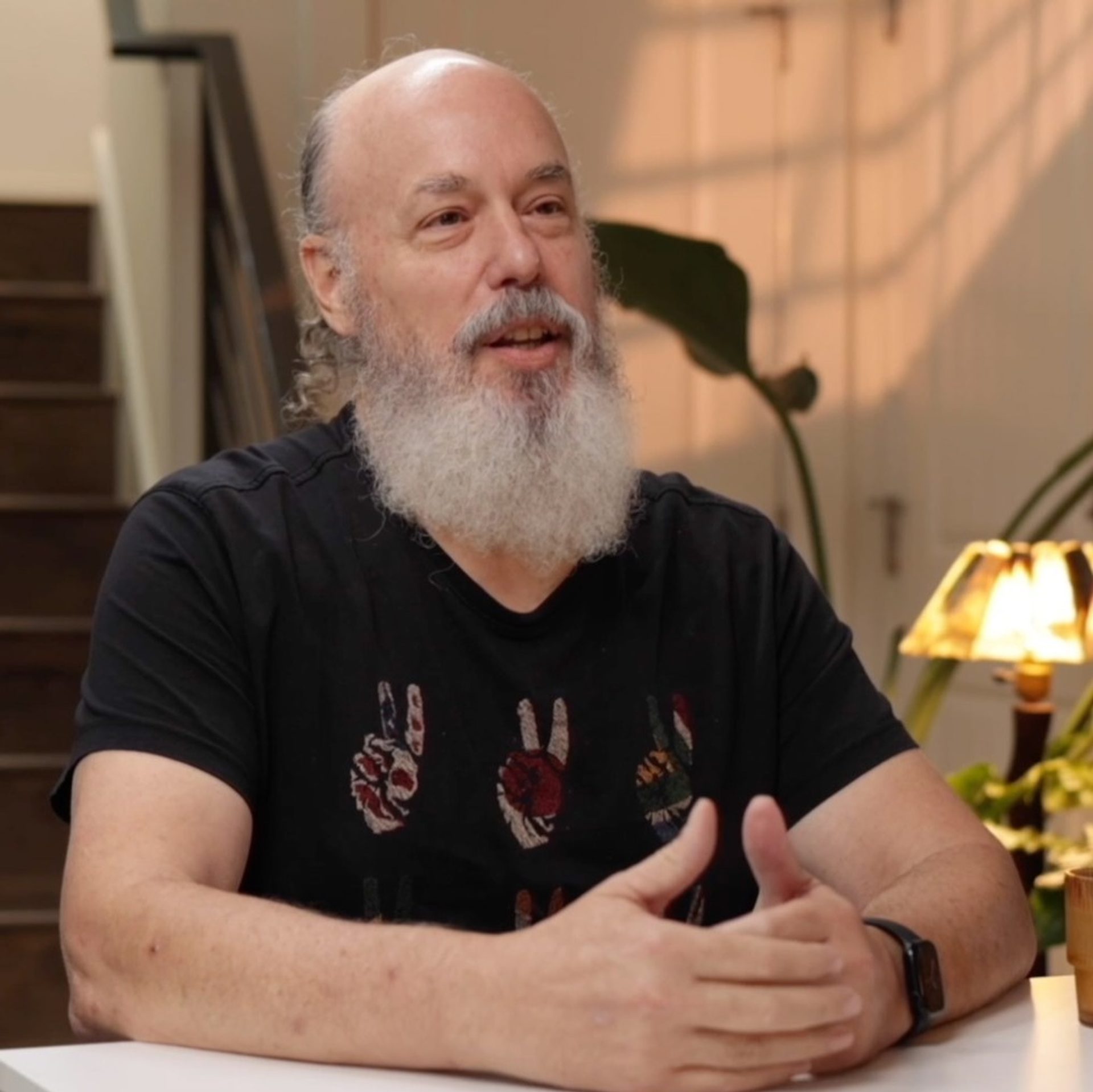
If you actually build an LLM that is specific to your audience, using proprietary sales data, proprietary marketing data, all of your research combined with open source, you will build a much more specific LLM that will give you different insights than your competitors.
Phase 2: Learn strategic questioning
After this phase, you will have: a prompt library of 5–10 strategic questions that reliably produce useful first drafts instead of generic output.
- Block time for one week of deliberate practice: 30 minutes a day, writing longer and more specific prompts rather than one-liners.
- Swap “write me” commands for real questions: instead of “write me a blog post about X”, ask what factors are driving change and which three questions matter most.
Starter prompt
What factors are driving recent changes in [TOPIC] — innovation, pricing, distribution, regulations, new competitors, consumer behaviors? List the top three questions in each area, and what would make [AUDIENCE] care right now.
- Track which prompts produced useful first drafts: keep a simple two-column log — prompt and whether the output saved time or wasted it.
- Shortlist your best 5–10 prompts: save them somewhere the whole team can reach. Pearson’s rule: five minutes spent crafting a thoughtful question saves an hour of revision.
Phase 3: Assign AI workflow roles
After this phase, you will have: a one-page role map naming who on your existing team owns which AI workflow and which tool handles which job.
- Name a workflow planner: one existing team member who owns “where does AI fit in this project?” across briefs. This is an added responsibility for someone already on the team, not a new hire.
- Name a creative library owner: one existing team member who maintains the segment briefs, prompt library, and output archive. Keeps the system from going stale.
- Match tools to jobs: write a short “job description” for each AI tool so the team stops forcing one tool onto every task.
Starter prompt
Here are the AI tools we have access to: [LIST]. For each, write a one-paragraph job description based on its strengths. Then list one type of task I should NOT send to that tool.
- Run one real project through the new roles: pick an upcoming campaign or brief, route it through workflow planner → creative library → assigned AI tool → human review. Document friction.
- Review after 30 days: did the system sharpen decisions, or just speed up mediocre work? If it is the latter, adjust the questions rather than the tools.
The increase in personalization means we need to be more intensely involved to understand if we are aligning. Scaling crappy work has never been easier.
Quick reference
- Total time: ~1 week of setup, then ongoing practice
- Tools needed: A research-oriented LLM (Perplexity or Claude), a drafting LLM (ChatGPT or Claude), a shared drive for the intelligence platform
- Key output: Three segment briefs, a 5–10 prompt library, and a role map your team can reach for on the next campaign
Related
More data from the AI Lab.